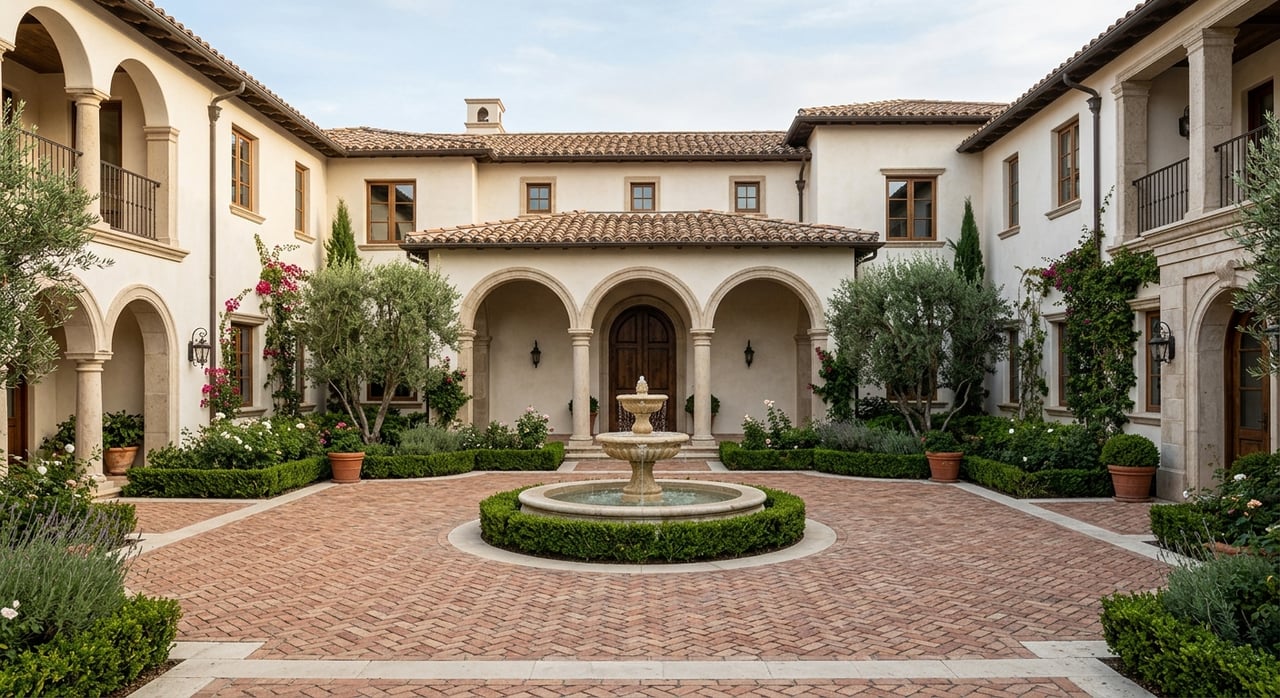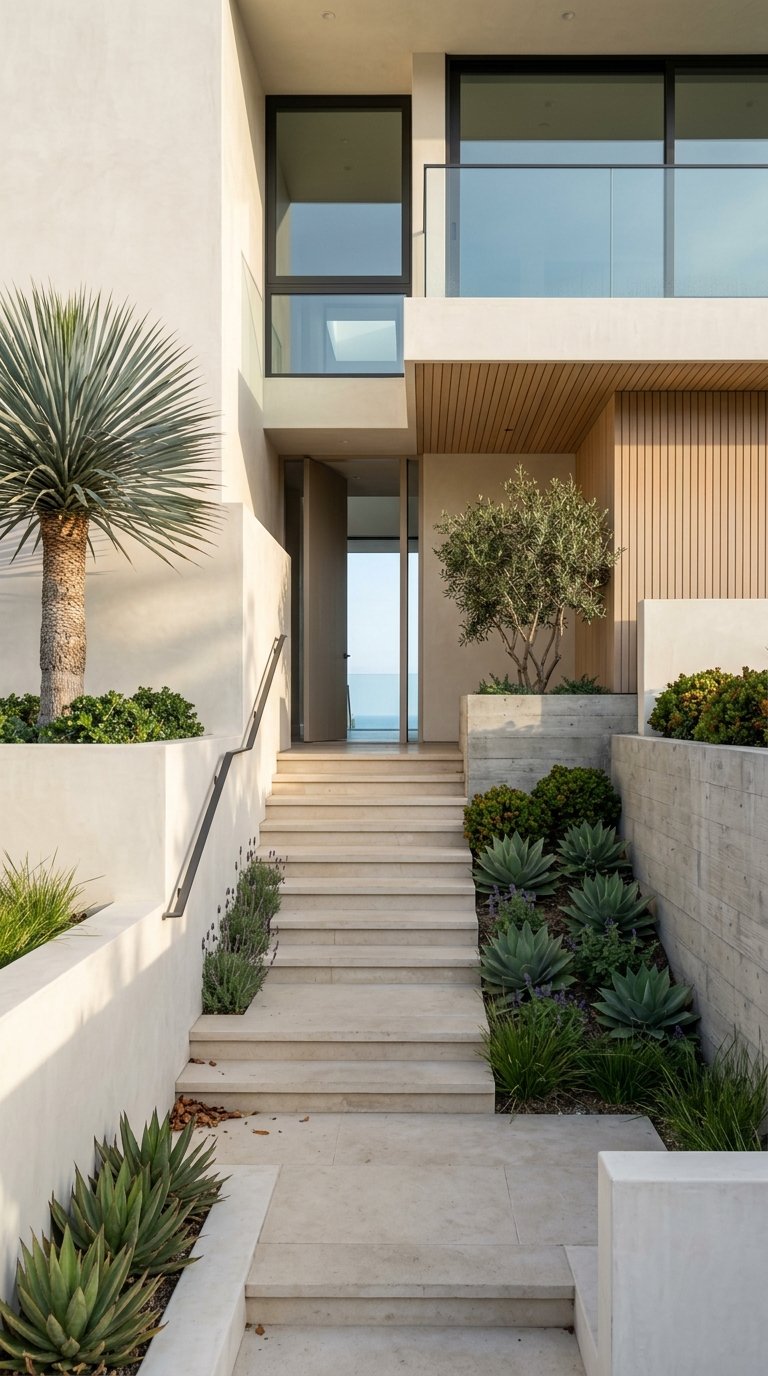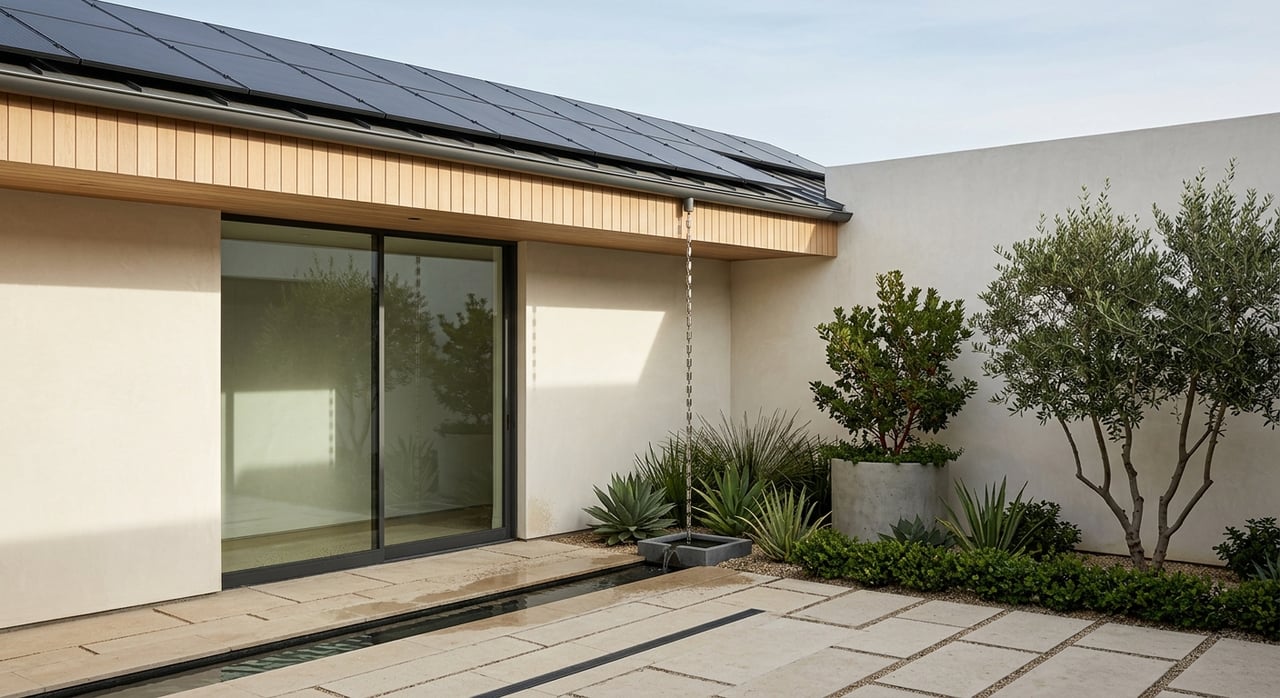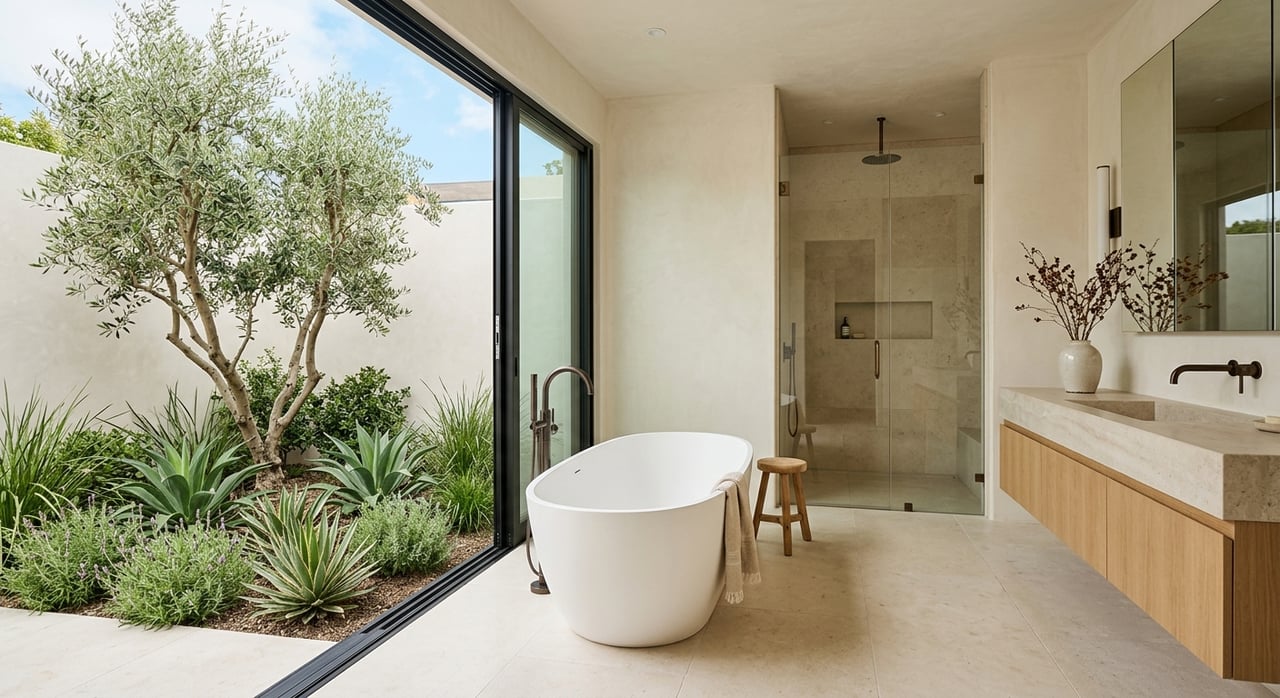
What if the most luxurious feature in your Coronado home is not the view, the pool, or the rooftop deck, but the way the home helps you feel every day? In a coastal market known for refined design and outdoor living, wellness at home can mean better light, cleaner air, quieter sleep, and a layout that supports calm routines. If you are buying, renovating, or refining a home in Coronado, this guide will help you focus on the features that truly shape daily life. Let’s dive in.
Why wellness design fits Coronado
Coronado is especially well suited to wellness-focused living because the city values a pedestrian-oriented, village-scale environment, low building profiles, and thoughtful design review. Its coastline, beaches, and surrounding waters are treated as essential community assets, which reinforces a strong connection between home design and the natural setting.
The local climate also supports this approach. Nearby San Diego climate normals show an annual mean temperature of 64.7°F and annual precipitation of 9.79 inches. In practical terms, that mild coastal pattern makes natural ventilation, outdoor rooms, and daylight-rich spaces especially relevant for homes in Coronado.
The city’s sustainability goals add another layer. Coronado highlights energy conservation, water conservation, and urban forest stewardship as part of its environmental priorities. For homeowners, that creates a strong case for design choices that feel beautiful, comfortable, and resource-conscious at the same time.
Start with whole-home wellness
A wellness-focused home works best when you think beyond one standout amenity. A sauna, spa bath, or plunge pool may feel appealing, but the real foundation is how the entire house supports sleep, breathing, recovery, and low-stress daily living.
A useful framework centers on five essentials:
- air
- water
- light
- sound
- moisture control
When these systems work together, your home tends to feel easier to live in. The result is often subtle but meaningful: fewer irritants, better rest, more comfort, and a stronger sense of ease.
Prioritize natural light
Daylight is one of the clearest ways to make a home feel better from morning to night. The U.S. Department of Energy notes that daylighting relies on windows and skylights to bring sunlight into the home, and that window orientation plays a major role in how that light feels.
South-facing openings tend to admit more winter sun. North-facing openings usually provide even light with less glare. East- and west-facing windows can be more challenging because they often need stronger glare and heat control.
That matters in Coronado, where bright coastal light is part of the appeal. A thoughtful daylight plan can help you enjoy that natural brightness while protecting visual comfort in living rooms, bedrooms, and work areas.
What to ask for in a daylight plan
If you are evaluating a home or planning a renovation, ask for a clear strategy that addresses:
- window orientation
- glare control
- skylight placement
- privacy needs
- how light shifts through the day
The goal is not simply more glass. It is better light in the right places, at the right times, with enough control to support both comfort and rest.
Support clean air and healthy humidity
Indoor air quality is one of the most important parts of wellness design. According to the EPA, better indoor air quality starts with source control, ventilation, and filtration. The agency also recommends keeping indoor humidity roughly between 30 and 50 percent because excess moisture can increase the likelihood of mold.
In a coastal environment, this is especially important. Fresh ocean air may feel restorative outdoors, but indoor comfort still depends on how the home handles ventilation, filtration, and moisture.
Some homes go further with features often associated with Indoor AirPlus and ENERGY STAR approaches, including whole-house fresh-air systems, low-emission materials, improved filtration, and moisture control measures. These are the kinds of details that may not always photograph dramatically, but they can have a lasting effect on how a home feels.
Air features worth watching
As you compare homes or build a renovation brief, look for:
- whole-house ventilation
- quality filtration
- low-emission finishes and materials
- humidity control
- signs of careful moisture management in kitchens, baths, and exterior transitions
A beautiful house should also breathe well. In a luxury setting, comfort should be seen and felt.
Design for quiet and better sleep
Wellness is not only visual. Sound matters, especially in spaces meant for sleep, focus, and recovery. The World Health Organization states that environmental noise exposure can increase the risk of sleep disturbance and stress, while the CDC notes that repeated exposure to loud noise is hazardous.
In Coronado, quiet-zone planning can be especially valuable in homes near traffic, resort activity, or other neighborhood noise sources. That does not mean avoiding vibrant locations. It means placing bedrooms, primary suites, and home offices where noise intrusion is minimized.
How to create quiet zones
A sound plan should protect the rooms where calm matters most. That may include:
- separating sleeping areas from busier entertaining spaces
- thinking carefully about bedroom placement
- evaluating street-facing exposure
- reviewing window and door performance
- considering how outdoor audio systems affect interior quiet
Luxury today often means control over your environment. A quiet room can be one of the most valuable features in the house.
Take water quality seriously
Water wellness often starts with confidence in the local system, then moves to what happens inside the home itself. California American Water’s 2024 Coronado report says the system met state and federal water-quality regulations, including lead standards. At the same time, the report reminds homeowners that in-home plumbing and fixtures remain their responsibility.
That distinction matters when you are buying an older property or planning updates. Even when the broader system performs well, the materials inside a specific home still shape your day-to-day experience.
For drinking and cooking water, the CDC and EPA point homeowners toward certified point-of-use filters, especially products certified to NSF/ANSI 53 for lead reduction and 42 for particulate reduction. In a wellness-focused home, water planning can be both practical and discreet.
Water questions to confirm
Ask for clarity on:
- service line material, where relevant
- age and condition of in-home plumbing
- whether point-of-use filtration is installed
- what filtration is used for drinking and cooking water
- how bathing and spa features are maintained
This is a simple area where thoughtful due diligence can support both health and peace of mind.
Blend wellness with outdoor living
Coronado’s mild climate makes outdoor living more than a seasonal bonus. It can become part of your daily wellness rhythm. When designed well, terraces, courtyards, rooftop decks, and protected lounge areas extend the home in a way that supports movement, sunlight, fresh air, and transition between work and rest.
This is also where current luxury inventory offers a useful signal. Recent Coronado listings show a strong pattern of wellness-oriented features such as rooftop decks, ocean-view terraces, pools and spas, outdoor kitchens, saunas, smart climate and lighting controls, whole-house water filtration, and indoor-outdoor sound systems.
Another clear trend is resort-style amenity layering. Some homes pair outdoor living areas with spa-like baths, wellness-oriented rooms, elevator access, and broader resort amenity packages. The takeaway is simple: buyers in this market are increasingly drawn to homes that support a full lifestyle, not just a beautiful address.
Respect Coronado’s design rules
Wellness design in Coronado should always be paired with local approval awareness. Many projects require design review, and homes in Coronado Cays may also fall under HOA design review authority. If you are planning changes, local process matters as much as your design vision.
Historic status also deserves careful attention. Coronado requires a Historic Resource Alteration Permit for exterior modifications to designated historic resources. A Determination of Historic Significance Review can also be required when original street-visible features are proposed for removal on a structure that is 75 years or older.
That does not mean a wellness-focused renovation is out of reach. It means the most successful projects begin with a realistic permitting and design review plan before budgets and timelines are finalized.
Confirm these approvals early
Before moving too far into plans, check:
- city design review requirements
- HOA review, if applicable
- historic review status
- whether the home is 75 years or older
- exterior scope that could trigger additional review
In Coronado, the most elegant projects are often the ones that balance comfort, beauty, and local fit.
Plan for coastal moisture and drainage
Coastal wellness design should also include practical exterior planning. Coronado actively monitors stormwater and beach water quality, and the city notes that rain can temporarily elevate bacteria levels in ocean water for up to three days.
For homeowners, that makes site drainage, sand and mud management at entries, and moisture-resistant exterior detailing worth close attention. This is especially relevant for properties near the beach or bay, where the relationship between indoors and outdoors is constant.
A strong coastal home does not just look serene. It is detailed to handle moisture well, protect interior finishes, and reduce the stress that can come from preventable maintenance issues.
Build a smart wellness brief
If you want to design, buy, or refine a wellness-focused home in Coronado, a strong brief can help everyone involved move in the same direction. This keeps the conversation grounded in performance, not just aesthetics.
A practical brief should ask for:
- a daylight plan covering orientation, glare control, and skylight placement
- an air plan covering ventilation, low-emission materials, and humidity control
- a sound plan protecting sleeping areas and work zones
- a water plan confirming plumbing considerations and filtration choices
- a permitting plan covering design review, historic review, HOA review, and stormwater-related scope
This kind of clarity is especially valuable in a high-end market, where details shape both lifestyle and long-term value.
Wellness as a lasting luxury
In Coronado, wellness design feels natural because it aligns with the setting itself. The mild coastal climate, strong outdoor connection, thoughtful local design standards, and evolving luxury inventory all support homes that feel restorative as well as refined.
If you are searching for a property or considering a renovation, the strongest result often comes from asking a simple question: how will this home support the way you want to live every day? When light, air, sound, water, and local context are handled with care, the answer can be both beautiful and deeply practical.
If you are exploring a wellness-focused home in Coronado and want a more intentional, design-aware approach, Mariah S Franco offers discreet guidance shaped by luxury living, sustainability, and purposeful ownership.
FAQs
What makes a Coronado home wellness-focused?
- A wellness-focused Coronado home is designed around daily comfort and health, with attention to natural light, indoor air quality, water quality, sound control, moisture management, and strong indoor-outdoor living.
What should you check before renovating a historic Coronado home?
- You should confirm whether the property is a designated historic resource or 75 years or older, since exterior modifications or removal of original street-visible features can trigger local historic review requirements.
Why does natural light matter in a Coronado home design?
- Natural light can support alertness during the day and help regulate sleep-related circadian rhythms, and in Coronado’s mild coastal climate it is especially useful when paired with good orientation and glare control.
What air-quality features should you look for in a Coronado luxury home?
- Look for source control, ventilation, filtration, humidity management, and low-emission materials, since these elements can help improve indoor comfort and reduce moisture-related issues.
What water-quality questions should buyers ask about a Coronado home?
- Buyers should ask about the home’s plumbing and fixture condition, whether filtration is installed for drinking and cooking water, and what water-treatment features are in place inside the home.
Why is sound planning important in Coronado homes?
- Sound planning matters because noise can affect sleep and stress levels, so bedrooms, primary suites, and home offices should be placed and designed to reduce noise intrusion where possible.